
Why Cats Get Hairballs and What You Can Do
If you’ve ever heard that unmistakable hacking, gagging sound followed by a slimy clump of fur on your carpet, you already know the joy of the cat hairball. Hairballs are one of the most common feline health complaints, and while they’re often dismissed as just a normal part of cat ownership, there’s actually a lot going on beneath the surface. Understanding why cats get hairballs, what they look like, and when they signal a more serious problem can help you be a more informed and proactive pet parent. If you’re a first-time cat owner wondering what’s happening to your new kitten or a longtime feline enthusiast looking for better ways to manage the situation, this guide covers everything you need to know about cat hairballs.
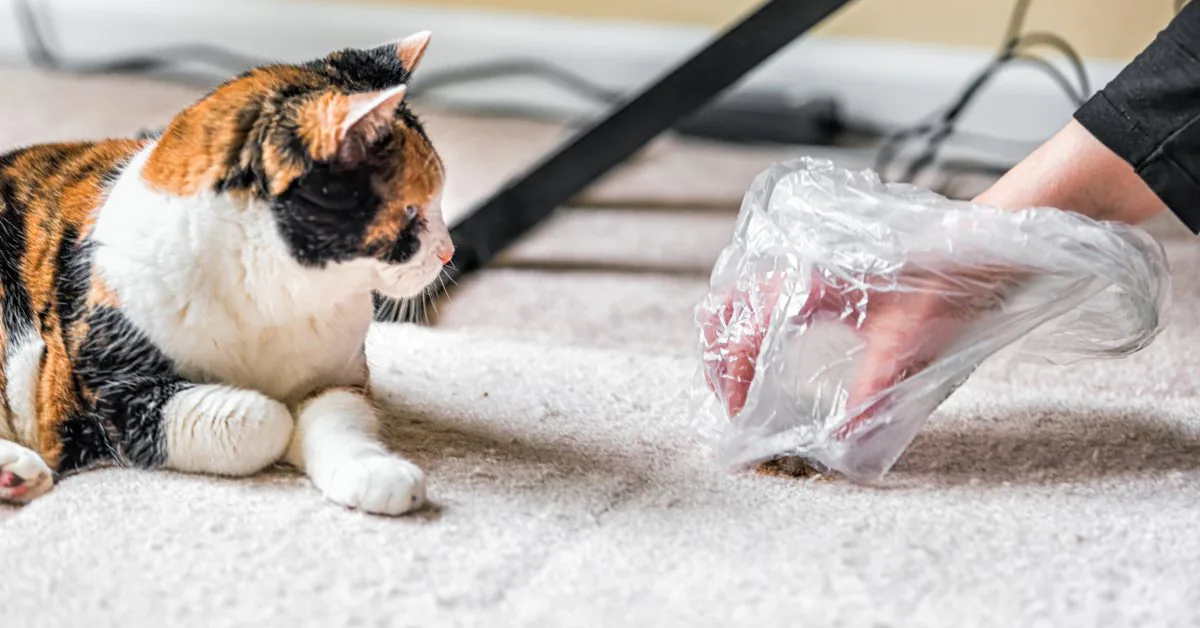
What Is a Cat Hairball?
A cat hairball, known medically as a trichobezoar, is a compacted mass of swallowed fur that your cat’s digestive system was unable to pass through normally. When cats groom themselves, the tiny backward-facing barbs on their tongues catch loose and dead hair, which is then inevitably swallowed. Most of this hair moves through the digestive tract and is eliminated in the stool without any issue.
However, some hair accumulates in the stomach and eventually gets expelled through vomiting, typically in a cylindrical, tube-shaped clump that looks nothing like a ball despite the name. The process of bringing up a hairball can look alarming to pet owners because cats often crouch, heave, and make distressing noises before the mass is expelled. It’s important to understand that occasional hairballs are considered a normal part of feline life, but frequent or difficult hairballs should prompt a conversation with your veterinarian.
Why Do Cats Get Hairballs More Than Other Pets?
Cats are uniquely prone to hairballs because of how thoroughly and frequently they groom themselves, combined with the structure of their tongue. A cat’s tongue is covered with tiny, hook-shaped papillae made of keratin, the same protein found in human nails, and these act like a natural comb that pulls loose fur from the coat. Because the papillae face backward, cats cannot easily spit out the hair they collect while grooming, so swallowing it is inevitable.
Unlike dogs, which groom far less extensively, cats spend a significant portion of their waking hours maintaining their coats, which means a substantial amount of hair enters the digestive system regularly. While most hair passes through without trouble, some cats swallow more hair than their digestive systems can efficiently process, leading to accumulation in the stomach. Factors like long fur, excessive grooming, and seasonal shedding all increase the likelihood of hairball formation.
Which Cats Are Most Prone to Hairballs?
While any cat can develop hairballs, certain factors increase how often they occur and how problematic they become. Knowing whether your cat falls into a higher-risk category helps you take preventive action before hairballs become a recurring nuisance or a medical concern. A proactive approach that includes regular veterinary care is the most effective way to manage hairball-prone cats.
Long-Haired Breeds
Long-haired cat breeds such as Persians, Maine Coons, Ragdolls, and Himalayans are more susceptible to hairballs because they simply have more fur to swallow during grooming sessions. Their longer, denser coats produce significantly more loose hair than short-haired breeds, and the volume of hair that enters the digestive system is correspondingly greater. These cats also tend to have finer, silkier coat textures that mat and tangle more easily, which can prompt even more grooming behavior. Long-haired cats benefit greatly from daily brushing to remove loose fur before it gets swallowed, as well as regular professional grooming. Scheduling routine veterinary checkups helps ensure that hairballs aren’t contributing to gastrointestinal issues over time. If your long-haired cat seems to be producing hairballs frequently, your veterinarian can recommend a tailored management plan.
Cats Who Over-Groom
Some cats groom themselves excessively due to anxiety, stress, skin conditions, allergies, or compulsive behavior disorders, and this dramatically increases the amount of hair they ingest. Psychogenic alopecia, a condition where cats groom compulsively in response to stress, can lead to both skin problems and a significant increase in hairball frequency. Cats that over-groom often develop bald patches or thinning coat areas alongside a noticeable increase in hairball production. Identifying the underlying cause of excessive grooming is essential and requires a veterinary evaluation, because the solution will differ depending on whether the trigger is environmental, allergic, parasitic, or behavioral. Simply trying to manage hairballs without addressing the root cause of over-grooming will not resolve the problem long-term. Your vet can help determine whether your cat’s grooming habits are within normal range or signal an underlying condition that needs treatment.
How to Tell If Your Cat Has a Hairball Problem
Most cats produce hairballs occasionally, and for many cats, once or twice a month is considered within the normal range. However, there are signs that a cat’s hairball situation has moved beyond typical and into concerning territory that warrants veterinary attention. Paying close attention to your cat’s grooming habits, digestion, and overall behavior helps you catch problems early. A cat that is consistently retching without producing a hairball, experiencing frequent vomiting, losing weight, becoming lethargic, or refusing food may have a hairball that has become impacted or may be dealing with a separate gastrointestinal condition. A hairball that cannot be expelled and becomes lodged in the digestive tract can cause a life-threatening blockage that requires emergency veterinary care. Never assume prolonged retching or gastrointestinal distress is just a difficult hairball without consulting your vet.
The Connection Between Hairballs and Digestive Health
Hairballs are not purely a grooming issue; they are also a reflection of your cat’s overall digestive health. A well-functioning digestive system moves hair through the gut efficiently so it passes in the stool rather than accumulating in the stomach. Cats with inflammatory bowel disease, gastrointestinal motility disorders, or other digestive conditions may produce hairballs more frequently because their gut is not moving material through as effectively as it should.
The presence of frequent hairballs can sometimes be the first observable sign of an underlying digestive problem that has not yet produced more obvious symptoms. This is why it’s important to discuss hairball frequency with your veterinarian at wellness visits rather than treating it as a purely cosmetic concern. Your vet may recommend diagnostic testing if hairballs seem unusually frequent or if they are accompanied by other changes in your cat’s health or behavior.
Hairball Prevention: What Veterinarians Recommend
There are several evidence-based strategies that veterinarians recommend for reducing hairball frequency in cats, and most involve a combination of grooming, nutrition, and regular medical oversight.
- Regular brushing is one of the most effective preventive measures, as removing loose fur from the coat before your cat can swallow it directly reduces the volume of hair entering the digestive system. For long-haired cats especially, daily brushing can make a significant difference in hairball frequency.
- Hairball-formula cat foods are specially formulated with higher fiber content to support digestive motility and help move hair through the gut more efficiently, and your vet can help you decide if this type of diet is appropriate for your cat.
- Hairball remedies such as lubricant gels are available over the counter, but these should only be used as directed and with veterinary guidance, as overuse can interfere with nutrient absorption.
- Regular veterinary checkups are the cornerstone of hairball prevention, ensuring that any underlying conditions contributing to the problem are identified and addressed promptly.
When a Hairball Becomes an Emergency
A gastrointestinal blockage caused by a hairball is a serious medical emergency that requires immediate veterinary attention. If your cat has been retching or gagging repeatedly for more than an hour without producing a hairball, shows signs of abdominal pain such as guarding their belly or vocalizing when touched, stops eating or drinking, becomes severely lethargic, or produces swollen or distended abdomen, do not wait to seek care. These signs can indicate that a hairball or other foreign material has caused an obstruction in the intestines, which can be life-threatening without prompt intervention. Intestinal blockages require diagnosis through imaging and may require medical treatment or surgery. Never attempt to help your cat expel a stuck hairball at home through any type of intervention. Call our office immediately or seek emergency veterinary care if your cat shows any of these symptoms.
Talk to Your Vet About Your Cat’s Hairball History
Managing cat hairballs is much easier when you have a veterinary partner helping you understand what’s normal for your individual cat and when something has shifted. Our team at Whitney Veterinary Hospital is equipped help you assess your cat’s grooming habits, digestive health, and hairball frequency to create a management plan that works. Whether your cat produces the occasional hairball or seems to struggle with them regularly, a conversation with one of our veterinarians can provide clarity and peace of mind. Call us at (309) 685-4707 or book an appointment online to discuss your cat’s hairball concerns and get personalized guidance for their care.