
Why Do Dogs Get Zoomies?
One minute your dog is calmly lounging on the couch, and the next they are sprinting full-speed around the living room, doing laps around the backyard, or spinning in circles with an expression of pure, unhinged joy. If you’ve witnessed this phenomenon, you’ve seen what dog lovers affectionately call the zoomies. Dog zoomies, known formally as frenetic random activity periods (FRAPs), are one of the most entertaining and endearing behaviors in the canine world, and they’re actually packed with meaning. At Whitney Veterinary Hospital, our goal is to help you understand your dog’s behavior, including why dogs get zoomies, what triggers them, and when they’re totally normal versus when they might be a signal worth paying attention to give you a richer window into your dog’s emotional and physical health. Get ready to learn everything there is to know about those glorious, chaotic bursts of canine energy.
What Are Dog Zoomies? Understanding FRAPs
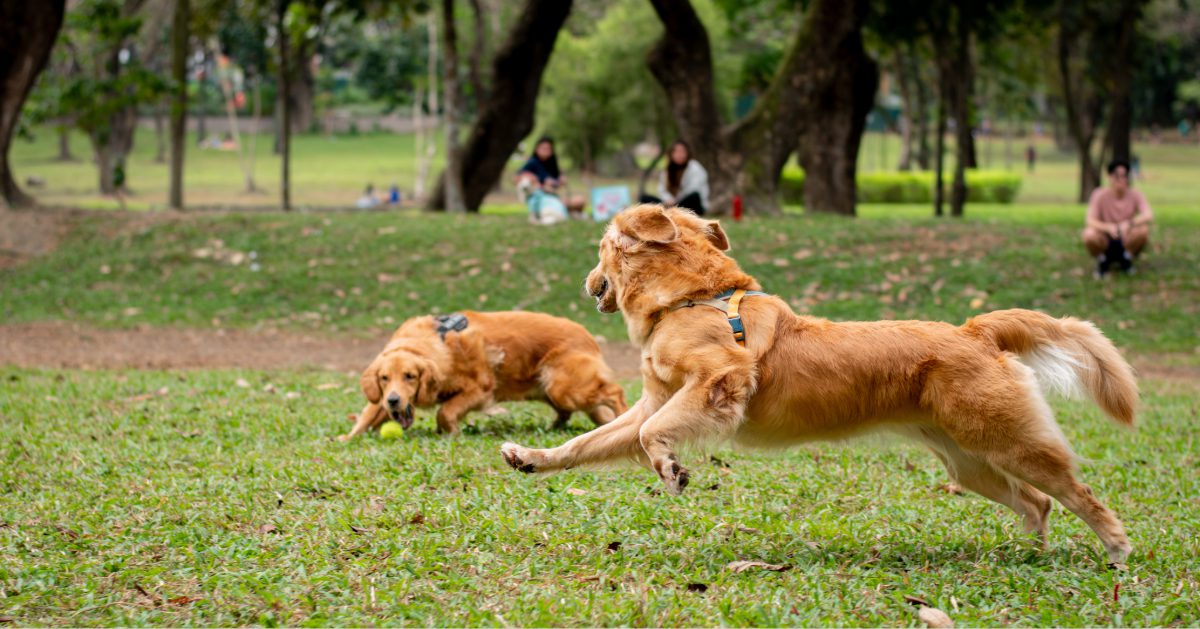
Frenetic random activity periods, or FRAPs, are sudden bursts of intense, frenetic physical activity in dogs that appear to have no specific goal or destination. During a zoomies episode, a dog may run at full speed in tight circles, figure eights, or back-and-forth patterns, often with a distinctive low posture, pinned ears, and a wide grin that communicates pure exhilaration. The behavior typically lasts anywhere from a few seconds to a few minutes and then stops just as suddenly as it began, leaving the dog slightly out of breath and often ready to relax. FRAPs are completely normal canine behavior observed in dogs of all ages and breeds, and they are also seen in other animals including cats, horses, and even elephants. The behavior is most common in young dogs and puppies, but plenty of adult dogs experience zoomies throughout their lives. Zoomies are a sign of a healthy, energetic, emotionally expressive dog.
Why Do Dogs Get the Zoomies? Common Triggers
Dog zoomies are typically triggered by specific situations or emotional states that cause a sudden release of accumulated energy, excitement, or relief. Identifying what triggers your dog’s zoomies can tell you a lot about their emotional responses and how they experience the world around them. While every dog is different, there are several well-recognized triggers that reliably produce zoomie episodes in a wide range of dogs.
After Being Confined or Restrained
One of the most common triggers for dog zoomies is the release of confinement or restraint, such as after being in a crate, after a long car ride, after waking up from a nap, or after being on a leash for an extended period. When dogs are physically restricted, their body and brain continue to build up energy that has nowhere to go, and when they are finally free, that energy explodes outward in the form of a zoomie sprint. Post-crate zoomies are extremely common and are a normal expression of the relief and excitement a dog feels upon being released.
This type of zoomie typically passes quickly and indicates that your dog is physically and mentally ready for activity after a rest period. You can sometimes anticipate and redirect this energy by bringing your dog outside immediately after releasing them from the crate so the zoomies happen in a safe, open space. This doesn’t mean your dog dislikes their crate; it simply means they are excited to be out and moving again.
After a Bath or Grooming
Post-bath zoomies are so well-known among dog owners that they have become something of a cultural meme, and there are several theories about why bathing so reliably triggers this behavior. Being bathed involves being restrained, handled, wet, and exposed to unfamiliar sensory stimuli, all of which can build up stress or excitement in a dog. Once the bath is over, the rush of relief and the sensation of rubbing, rolling, and shaking dry can trigger an immediate and enthusiastic FRAP.
Some researchers also suggest that dogs may run after baths to dry themselves or to rid their fur of unfamiliar scents, returning to their own familiar smell as quickly as possible. Post-grooming zoomies may be especially exuberant in dogs that find the grooming experience stressful, as the relief upon its completion is correspondingly intense. If your dog regularly gets stressed during baths or grooming, talking to your veterinarian about anxiety reduction strategies may help make the experience more comfortable for everyone involved.
In the Evening: The Before-Bed Zoomies
Many dog owners report that their pets reliably get the zoomies in the evening, often right before bedtime, in what can be thought of as a final burst of energy before winding down for the night. Evening zoomies are believed to be related to circadian rhythms and the natural peak in canine activity that many dogs experience in the late afternoon and early evening. This behavior is particularly common in puppies and young dogs, whose energy levels throughout the day follow more pronounced peaks and valleys.
Evening zoomies can also occur when a dog has had an understimulating or sedentary day and has accumulated energy that was never fully expended. Regular daily exercise, mental enrichment activities, and play sessions help moderate evening energy levels and can reduce the intensity of bedtime zoomies. If your dog’s evening zoomies feel excessive or disruptive, discussing their exercise and enrichment needs with your veterinarian is a great starting point.
Are Dog Zoomies Normal? What the Behavior Tells You
In the vast majority of cases, dog zoomies are completely normal, healthy behavior that reflects a dog’s physical vitality and emotional expressiveness. A dog that gets zoomies is typically a dog that is well-nourished, physically healthy, and emotionally capable of experiencing and expressing joy. Zoomies can also reflect a dog’s level of comfort in their environment, as dogs are more likely to display uninhibited, joyful behaviors when they feel safe and relaxed.
Very young puppies and adolescent dogs tend to get zoomies more frequently because they have abundant energy and less impulse control, and this naturally decreases as they mature and settle. While it’s not a cause for concern that an older dog gets zoomies less often, a sudden dramatic change in a dog’s energy level or activity patterns, including a significant decrease in playful behaviors like zoomies, can sometimes signal an underlying health issue worth discussing with your vet. Annual wellness exams are a great opportunity to discuss your dog’s behavioral patterns alongside their physical health.
When to Be Cautious During Zoomies
While zoomies themselves are benign and healthy, there are circumstances where they can pose a safety risk that owners should be aware of. Dogs in full zoomie mode have reduced situational awareness and may be at risk of running into furniture, stairs, walls, or people, especially in small indoor spaces or around children or elderly individuals. Allowing zoomies to happen in a safely fenced yard or large open area reduces the risk of collision injuries. Dogs that are recovering from surgery, have orthopedic conditions, joint disease, or cardiovascular problems should have their physical activity, including zoomie behavior, restricted as directed by their veterinarian, because the sudden intensity of a FRAP can place significant stress on healing tissues or compromised joints. If you notice that your dog’s zoomies are accompanied by stumbling, falling, apparent disorientation, or other signs of neurological dysfunction, that is not normal zoomie behavior and warrants a veterinary evaluation. Otherwise, sit back and enjoy the show.
The Joyful Side of a Healthy Dog
Watching your dog zoom around with unbridled enthusiasm is one of the genuine pleasures of life with a canine companion, and it’s a reminder that a healthy, happy dog expresses their wellbeing through movement, play, and exuberant energy. Supporting your dog’s overall health through regular veterinary care, appropriate exercise, proper nutrition, and mental enrichment is the best way to ensure they have plenty of reasons to zoom. Whether your dog is a once-in-a-blue-moon zoomer or a daily FRAP enthusiast, our team is here to help you support their health and happiness at every stage of life. Call us at (309) 685-4707 today or book a wellness appointment online to give your dog the comprehensive care they deserve.