
Reverse Sneezing in Dogs: When Should You Be Worried?
If you’ve ever watched your dog suddenly stand still, extend their neck, and make a dramatic, repetitive snorting or honking sound, your heart rate probably jumped before you could even process what you were seeing. That alarming episode is almost certainly what veterinarians call reverse sneezing, and while it looks absolutely terrifying in the moment, it’s one of the most commonly misunderstood and generally benign occurrences in canine health. Below, we’ll help you understand what reverse dog sneezing actually is, what triggers it, and when it crosses the line from harmless reflex to genuine warning sign is exactly the kind of knowledge that makes you a more confident, better-prepared pet owner. At Whitney Veterinary Hospital, we’re committed to helping dog owners throughout Peoria, IL navigate these moments with calm and clarity.
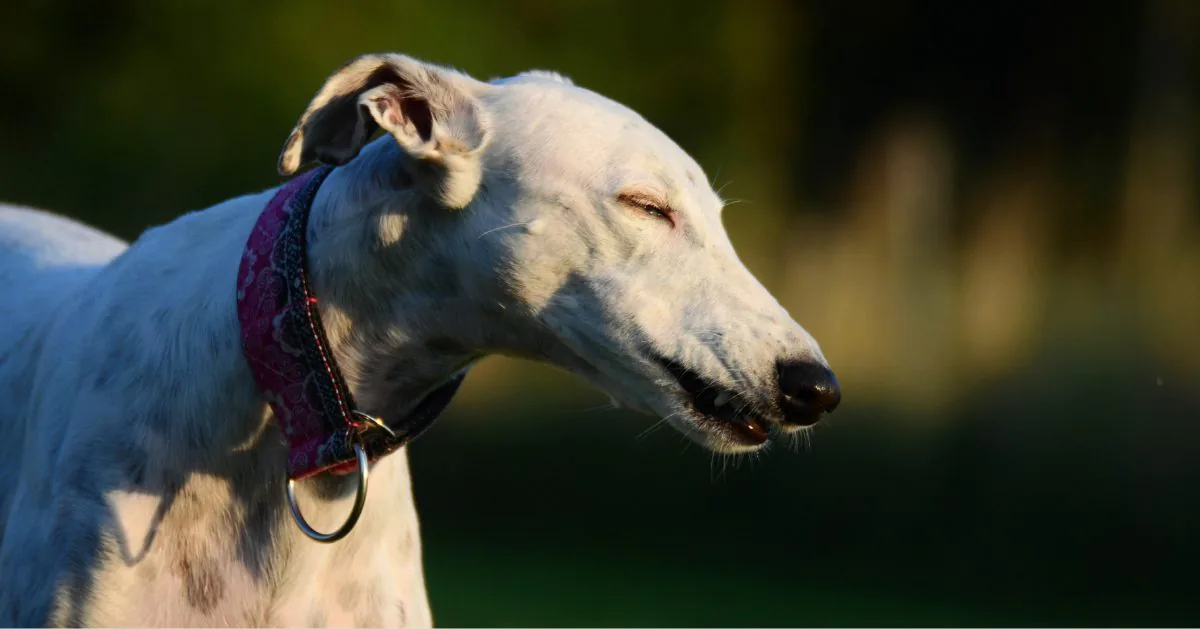
What Is Reverse Sneezing in Dogs?
Reverse dog sneezing, known medically as paroxysmal respiration, is a reflexive respiratory event in which a dog rapidly and forcefully inhales air through their nose rather than expelling it as in a normal sneeze. During a typical sneeze, air is pushed outward through the nose. During a reverse sneeze, the dog draws air inward in a series of rapid, noisy snorts, creating a sound that many people describe as a honk, a wheeze, or a pig-like grunt. The episode typically lasts anywhere from a few seconds to about a minute, during which the dog will usually stand still, extend their neck, and brace their legs while making the sound.
After the episode ends, the dog typically resumes normal behavior as if nothing happened, with no lingering signs of distress. Reverse sneezing is caused by a spasm of the muscles of the soft palate and pharynx, and it is triggered by irritation in the nasal passages, sinuses, or back of the throat. The reflex is the body’s way of trying to clear that irritation, much like a regular sneeze clears irritants from the front of the nasal cavity.
What Causes Dogs to Reverse Sneeze?
A wide variety of triggers can cause a dog to reverse sneeze, and many of them are perfectly ordinary parts of daily life.
Environmental and Airborne Irritants
Dust, pollen, mold spores, perfume, cleaning products, cigarette smoke, and air fresheners can all irritate the delicate tissues of a dog’s nasal passages and pharynx, prompting the reverse sneeze reflex. Dogs with seasonal allergies may reverse sneeze more frequently during certain times of year when pollen counts are high.
Household products with strong fragrances are a surprisingly frequent culprit, and many pet owners notice improvement when they switch to unscented or pet-safe cleaning products. Dogs with flat faces, such as pugs, French bulldogs, and boxers, are particularly prone to reverse sneezing because of the anatomical structure of their nasal passages and soft palates. Identifying and reducing exposure to known triggers is often one of the most effective ways to decrease the frequency of reverse dog sneezing episodes.
Excitement, Exercise, and Eating
Reverse sneezing can also be triggered by physical activity or emotional states rather than environmental irritants. Many dogs reverse sneeze when they become very excited, such as when a family member comes home, before a walk, or during playtime. The increased respiratory rate and changes in airflow associated with excitement can stimulate the pharyngeal spasm that causes reverse sneezing. Eating and drinking too quickly can also trigger an episode, as can leash pulling that puts pressure on the trachea and surrounding tissues.
Some dogs reverse sneeze more often when they’re sleeping and shift positions, as postnasal drip or repositioning of soft tissue in the throat can stimulate the reflex. These situational triggers are generally harmless, but noting when and how often your dog reverse sneezes helps your veterinarian build a clearer picture of what’s driving the episodes and whether any intervention is appropriate.
Which Dog Breeds Are Most Prone to Reverse Sneezing?
While any dog can experience reverse sneezing, brachycephalic breeds are significantly more prone to the condition due to the unique anatomy of their skulls and airways. Brachycephalic dogs have shortened muzzles and flattened faces, which means the same amount of soft tissue present in a longer-muzzled dog is compressed into a much smaller space. This anatomical compression can cause the soft palate to be elongated relative to the throat, narrowing the airway and making it more susceptible to irritation and the spasms that cause reverse dog sneezing.
Breeds commonly affected include pugs, French bulldogs, English bulldogs, Boston terriers, Shih Tzus, Cavalier King Charles spaniels, and boxers. Smaller dog breeds in general also tend to reverse sneeze more frequently than larger breeds, possibly because of differences in tracheal diameter and airway sensitivity. If you own a brachycephalic dog and notice frequent reverse sneezing, it’s especially worthwhile to discuss this with the veterinary team at Whitney Veterinary Hospital, as your dog may benefit from evaluation for other related airway conditions.
When Is Reverse Sneezing a Cause for Concern?
Here is the most important question most dog owners have: when does reverse dog sneezing stop being normal and start being a sign of something serious? The answer lies largely in the frequency, duration, and accompanying symptoms of the episodes. An occasional reverse sneeze that resolves on its own within a minute and is followed by completely normal behavior is almost always benign. However, certain patterns and symptoms should prompt you to call your veterinarian rather than waiting to see if things improve.
Signs That Warrant a Veterinary Evaluation
You should contact Whitney Veterinary Hospital if you notice:
- Increased frequency or duration
- Occurring multiple times per day
- Distress or disorientation
- Inability to recover normally after an episode
- Nasal discharge, particularly if it is green, yellow, or bloody
- Pawing at the face
- Difficulty breathing between episodes
- Facial swelling
- Signs of pain during or after an episode
Conditions that can mimic reverse sneezing but require treatment include nasal mites, nasal polyps, respiratory infections, collapsing trachea, and in rare cases, nasal tumors. Differentiating between a harmless reverse sneeze and these more serious conditions often requires a physical examination by a veterinarian. The team at Whitney Veterinary Hospital can help determine what’s going on and recommend appropriate next steps. Call us at (309) 685-4707 or book an appointment online.
How Is Reverse Sneezing in Dogs Diagnosed and Treated?
For most dogs with occasional, uncomplicated reverse sneezing, no specific treatment is required because the behavior itself is not harmful. When you bring your dog to Whitney Veterinary Hospital for evaluation of reverse sneezing, your veterinarian will take a thorough history, perform a physical examination, and assess the nasal passages, throat, and overall respiratory function. In some cases, additional diagnostics such as radiographs, rhinoscopy, or blood work may be recommended to rule out underlying causes.
If allergies are suspected to be contributing to the reverse dog sneezing, allergy testing or a trial of allergy management may be recommended. Dogs with brachycephalic anatomy may benefit from surgical correction of structural issues such as elongated soft palate or stenotic nares, which can reduce the frequency of reverse sneezing and improve overall breathing quality. In cases where nasal mites or infections are identified, targeted medical treatment is available. The goal is always to give your dog the most comfortable and healthy life possible, and your veterinarian is the right partner for navigating those decisions.
What a Reverse Sneeze Tells You About Your Dog’s Respiratory Health
Reverse dog sneezing is a reminder that your dog’s respiratory system is sensitive and responsive to its environment, and that paying attention to the little quirks of your dog’s behavior can give you meaningful insight into their overall health. For most dogs, the occasional reverse sneeze is nothing more than a brief, harmless reflex, and once you’ve seen it enough times to recognize it, it becomes much less frightening.
The key is knowing the difference between a pattern that’s completely normal for your individual dog and a pattern that’s changed or escalated in a way that signals something worth investigating. At Whitney Veterinary Hospital, we’re always here to help you make that distinction and support your dog’s respiratory health with expert, compassionate care. If you have questions about your dog’s reverse sneezing or any other aspect of their health, call us at (309) 685-4707 or book an appointment online with our team in Peoria.